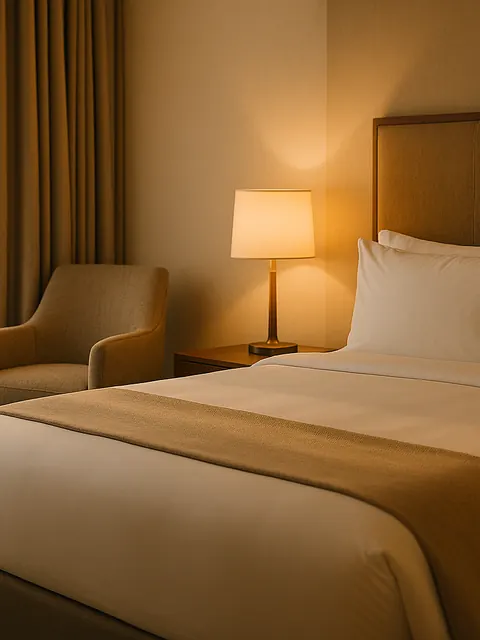
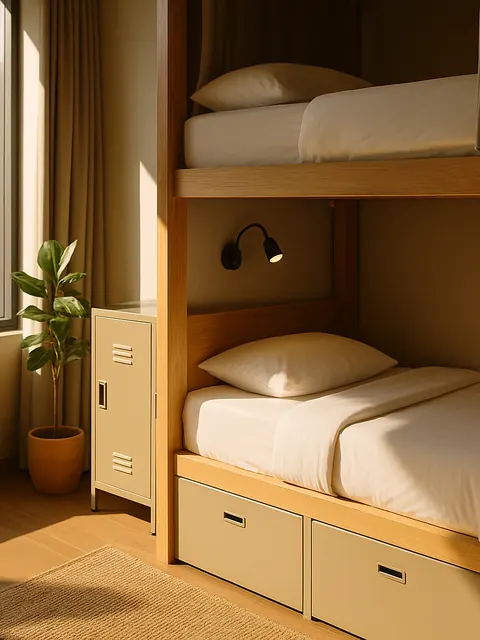
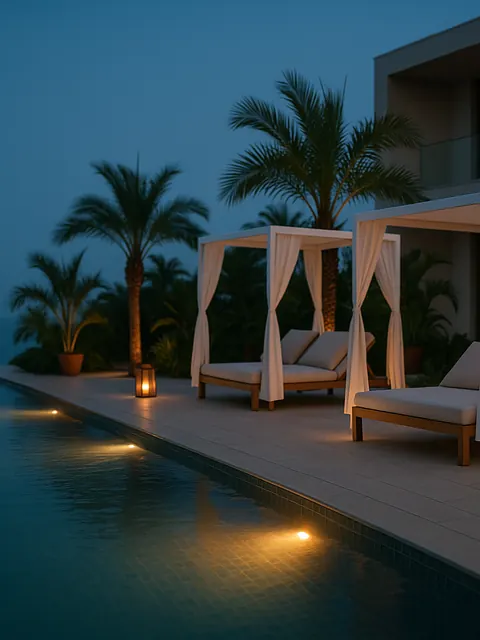
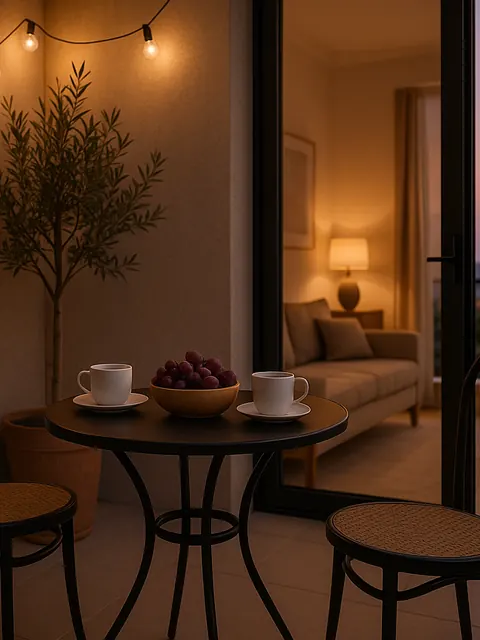
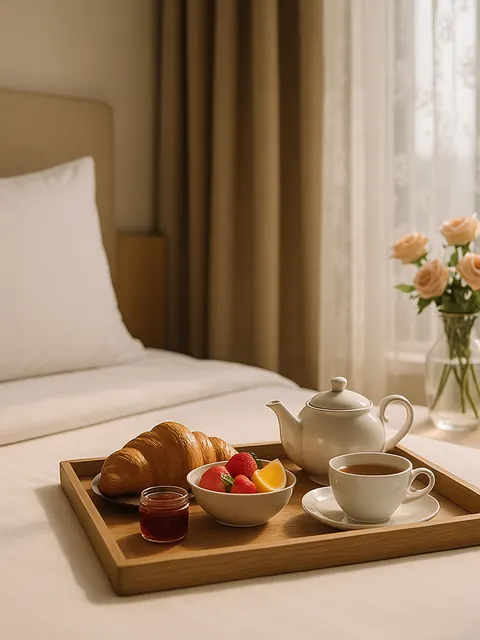
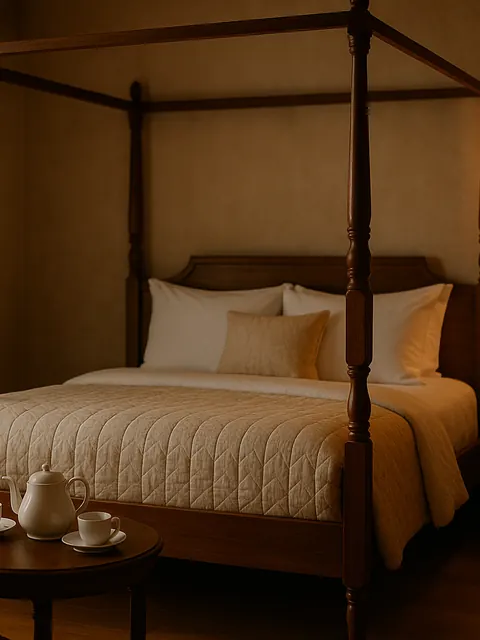
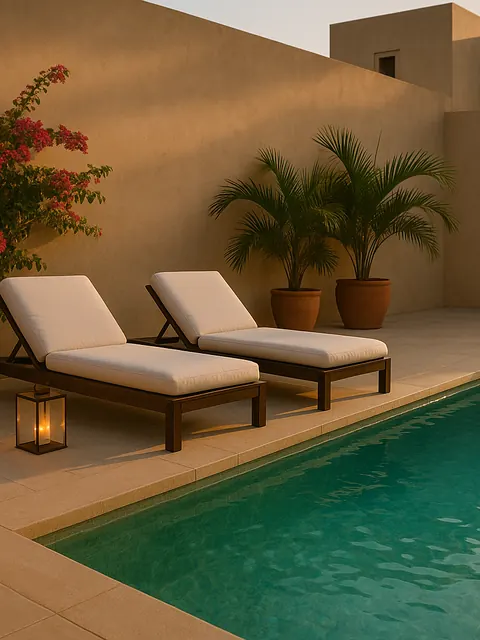
Hotel Sensai Nimman Chiang Mai - Adults Only
9.7Superb · 295 Reviews
Soi Sai Nam Phueng | Chiang Mai, 50200, TH
View Deal

Your Account
Secure Booking Portal
Updated September 2026

A stay in Chiang Mai brings moat-ringed temples, northern Thai food and craft traditions together with mountain scenery beyond the city. Choose a base near the old city, the Night Bazaar or Nimmanhaemin, then balance markets and temples with time outdoors.
Chiang Mai is the main city of northern Thailand, with a moat-encircled old city that retains much of its former wall and four gates. Its temples, architecture, festivals and handicrafts offer an introduction to northern culture, while markets and local dishes bring that heritage into everyday life. The city also makes a starting point for mountain scenery at Doi Suthep and Doi Inthanon. This guide covers temple visits, markets, food and festivals, plus where to stay and how to reach and get around the city. Seasonal conditions matter: heat, rain and recurring smoke and haze can affect plans.
Book direct on our own Chiang Mai hotel pages — no booking fee.
9.7Superb · 295 Reviews
Soi Sai Nam Phueng | Chiang Mai, 50200, TH
9.9Superb · 276 Reviews
112 Thipanet Road Haiya Mueang Chiang Mai | Chiang Mai, 50100, TH
9.6Superb · 329 Reviews
56 Samlarn Road Tambon Phra Sing Amphoe Muang | Chiang Mai, 50200, TH
9.5Superb · 186 Reviews
104/1 Charoen Muang Soi 2 Charoen Muang Rd. T. Wat Ket A. Muang | Chiang Mai, 50000, TH
9.4Superb · 556 Reviews
36 Soi 2 Korkai Rat Chiangsan Rd Hai Ya Mueang | Chiang Mai, 50100, TH
9.5Superb · 319 Reviews
150/1 Charoen Prathet Road Chang Klan | Chiang Mai, 50100, TH
Swipe for more Chiang Mai hotels
How good each month is here, on this destination's own scale. It compares months within this city, never one city against another.
Pleasant weather (avg high 29°C)
Chiang Mai Flower Festival
Often avoided: extreme heat and seasonal smoke haze
Often avoided: extreme heat and seasonal smoke haze
Rainy (160 mm)
Typhoon season (Jun-Nov); impacts uncommon
Very wet (150 mm rain)
Often avoided: heavy rain
Often avoided: heavy rain
Typhoon season (Jun-Nov); impacts uncommon
Yi Peng and Loy Krathong
Pleasant weather (avg high 28°C)
16 places worth your time, grouped by when they are at their best.
Showing 16 of 16 places ·
2 places
Wua Lai Road
Near Chiang Mai Gate on Wua Lai Road, this market opens Saturdays from 17:00 to 22:00. Wua Lai is known for silverware craftsmen who make and sell handmade pieces.
The centre offers a traditional northern-style Khan Toke dinner with traditional dances and performances. It is a way to pair a meal with northern cultural performance.
14 places
King Mengrai built this temple in 1296, the same year Chiang Mai was established. It is a fitting stop for a first look at the city’s long temple history.
This hilltop temple is 11 kilometres from the city centre and features a Chiang Saen-style golden pagoda, Lanna architecture and serpent statues. Walk up the seven-headed serpent stairs or take the electric tram, which runs 06:00–18:00; the tram costs 50 THB for foreigners, and the stated foreign adult entrance fee is 30.00 with no currency specified.
About 1 kilometre from Suan Dok Gate, this temple was built by King Kuena Thammikarat. Look for its relic chedi, Buddha images and Chiang Mai royal family mausoleums.
This 700-year-old Buddhist temple has a small tunnel system. Its history and distinctive setting make it a different kind of temple stop from the hilltop shrine.
The ancient gate stands on the eastern wall and provides an entrance to the walled city. The moat surrounds the old city, making the gate a useful landmark when walking around its historic centre.
The Sunday market runs from Tha Phae Street toward Ratchadamnoen Road, with hill-tribe products, wood carvings and handicrafts. Look for local dishes including khanom chin nam ngiao and khanom chin nam ya.
This market area has food, handicrafts, activities and performances, with goods including souvenirs, jewelry, silver, carved wood, paintings and clothing. Allow time to browse and eat as well as shop.
Also called Waroros Market or Kad Laung, it offers local foods such as fermented pork sausages, green chili paste and processed fruits and vegetables. Ton Lam Yai Market, the flower market, is nearby.
Come here to see art products, taste local cuisine and experience Chiang Mai culture. It is also served by the R3 Red Line airport loop.
Villagers have practised umbrella and parasol making here for at least 200 years. The craft uses materials including bamboo, cotton, silk and Sa paper made from mulberry bark.
The foothills are 6 kilometres from Chiang Mai city, with attractions along the approximately 16-kilometre route towards the summit. The park includes Wat Phra Borommathat Doi Suthep and Bhubing Palace, and its natural areas support plant and animal life, especially birds.
The park includes Thailand’s highest mountain, at 2,565.3341 metres above mean sea level. It closes annually from May 1 through July 31; the foreign adult entrance fee is 300 baht and the foreign child fee is 150 baht.
Doi Inthanon National Park
At 2,560 metres high, this trail is at the top of Thailand and can be reached by car. It is within Doi Inthanon National Park, so plan around the annual park closure.
This 260-metre-high waterfall is in the southern part of Doi Inthanon National Park. The park’s seasonal closure also affects access to this area.

Keep Old City landmarks together, head uphill to Doi Suthep, then finish with markets and a northern-style dinner.
For a first time in Chiang Mai, this three-day city stay suits visitors who want temple visits, market browsing and a mountain-side stop at an unhurried pace. Day one groups the Old City temples and moat; day two goes to Wat Phra That Doi Suthep, then Nimmanhaemin Road and Wat Chet Yot. Day three takes in Warorot Market, Wat Gate and the Chiang Mai Night Bazaar, with a Khan Toke dinner to finish. Arrange transport to Doi Suthep first, then check the dinner schedule before settling the evening. Tha Phae Gate suits Old City access, Nimman puts you near cafes and galleries, and the Night Bazaar area suits evening browsing.

Start at Wiang Kum Kam, visit Wat Kuu Tao, then finish with an unhurried market browse.
This compact Chiang Mai day suits travellers who want a historic site, a temple and a market without trying to cover the whole city. Start early at Wiang Kum Kam, then travel by road to Wat Kuu Tao and finish browsing vegetables at Ton Payom Market. The pace moves from archaeological remains to a temple visit and an unhurried market stop, with room for outdoor time. Arrange your ride to Wiang Kum Kam first, since it is the opening stop beyond the city centre. If you are deciding what to do in Chiang Mai in one day, this focused route keeps the day varied without stacking on extra sights.

Pair umbrella-making traditions and weekend browsing with a hot-spring stop, reservoir air and temple architecture.
This 2 days 1 nights Chiang Mai break suits travellers who enjoy local crafts, neighborhood markets and unhurried outdoor time. Day 1 is the longer outing: start early for Bo Sang Umbrella Village and San Kamphaeng Hot Springs, then fit in Jing Jai Market on a Saturday or Sunday. Day 2 is a gentler pairing of Huay Tung Tao Reservoir and Wat Chet Yot. Arrange transport for the craft stops outside central Chiang Mai first, and check the market’s opening days against your dates.

Pair major temples with a mountain outing, green spaces and local markets over four full days.
4 days in Chiang Mai suits travellers who want major temple visits, a mountain outing and time in distinct local areas without packing every hour. The first two days focus on temples, followed by a full day of garden, reservoir and zoo stops; market browsing anchors the final day. Arrange transport to Doi Suthep in advance, then check market days before fixing your final-day timing. Keep the mountain day and the multi-stop outing on separate days to make the mix of walking and road travel easier to manage.

Balance old-city temples and food markets with longer outings to a village and waterfall.
This Chiang Mai 5 day itinerary suits travellers who want temple visits, crafts and markets alongside a day focused on nature. The rhythm shifts between shorter city stops and longer road excursions, with time for museum collections and local food. Arrange the longer excursions first, especially the visits to Elephant Nature Park, Mae Kampong Village and Mae Ya Waterfall. Check the Sunday Walking Street schedule before filling the remaining evenings, then choose a base near the old city or Nimmanhaemin to suit your days.
Swipe for more plans

A mountain-focused Chiang Mai day with waterfalls, a high-altitude trail and pagodas.
Made for travellers who would rather spend a full day among mountain scenery, waterfalls and nature trails than keep a city pace, this Doi Inthanon day trip from Chiang Mai links the park, Ang Ka Luang Nature Trail, Mae Ya Waterfall, Wachirathan Waterfall and the twin pagodas by road. Arrange round-trip transport from Chiang Mai before departure; it is the first thing to settle for a route with several stops. Check park and trail conditions before setting out, especially around the annual closure from May 1 through July 31. Tha Phae Gate and Nimmanhaemin are practical bases for the night before.

A food-led Chiang Mai day that moves from Khao Soi Mae Sai to two market stops after checking dates and hours.
Built around food and evening browsing, this Chiang Mai night markets itinerary suits you if you want a compact day with three distinct stops rather than a packed sightseeing circuit. Start with Khao Soi Mae Sai, then head to Sunday Walking Street and finish among the stalls and zones of Chiang Mai Night Bazaar. The rhythm shifts from a meal to a market walk and later browsing. First, check whether Sunday Walking Street is operating on your visit date and confirm market hours; that check determines whether the route fits your day.
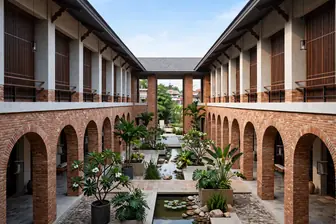
A walkable Chiang Mai day for creative browsing, shopping stops and a local produce market.
Made for travellers drawn to art, design shops and neighborhood food, this Nimman itinerary keeps the day focused on one part of Chiang Mai. Start on Nimmanhaemin Road among galleries, cafes and creative retail, then walk to One Nimman and MAYA Lifestyle Shopping Center before finishing at Ton Payom Market. The rhythm shifts from browsing to a larger shopping stop and a produce-market visit, with time to wander rather than rush. Check the art stop’s opening schedule first; that is the main detail to arrange before you set the route and choose when to start.
Swipe for more plans

A market-first day with northern Thai meals, one temple pause and an old-city finish.
For travellers who plan a day around local food and browsing, this Chiang Mai street food tour starts among Warorot Market’s snacks, then makes room for two khao soi meals and a restaurant stop. A temple visit breaks up the eating before the route finishes at Tha Phae Gate and the old city moat. The long road transfers come early; later stops link on foot. Arrange opening-time checks for every food stop before setting out, then let meals, browsing and breaks set a comfortable pace.

A family-paced Chiang Mai visit with animal time, a mountain village, craft stops and room for breaks.
This Chiang Mai family trip suits families who want a mix of animals, a hill-village visit, craft traditions and indoor city time without rushing every stop. Day one starts outdoors at Chiang Mai Zoo, continues up to Doi Pui Hmong Village and finishes with an easy shopping break. Day two moves from umbrella-making in Bo Sang to the Night Bazaar and Wat Gate. Arrange a taxi or ride-hailing car for the Doi Pui road legs first, and leave breathing room between visits. Check opening times before setting out, especially for the Wat Ket Museum.

Local noodles, a shop-and-food browse and Wat Gate make a practical one-day route.
Chiang Mai on a budget suits you if you want a local meal, time to browse and one temple visit without filling the day with extra stops. Start with khao soi at Khao Soi Mae Sai, linger over shops and nearby food venues at One Nimman, then finish at Wat Gate and the Wat Ket Museum. The rhythm is simple: one food stop, one browsing break and one cultural visit, with taxi or ride-hailing cars between the spread-out stops and walking where practical. First, check market hours before setting out, then decide how you’ll cover the road transfers.

A gentle city break with a meal stop, an easy browse and a mountain-side day out.
Chiang Mai for couples works well when you want a few thoughtful stops rather than a packed schedule. Day 1 pairs a meal at Huen Muan Jai with a relaxed browse around One Nimman, where nearby venues and Nimmanhaemin Road offer food and art-product browsing. Day 2 heads to Bhubing Palace, Chiang Mai Zoo and Wat Umong, with car rides linking the farther mountain-side stops. Arrange that Day 2 transport first, so the outing stays straightforward. For a base, compare Nimmanhaemin Road with Tha Phae Gate and the old city moat.
Guided tours, day trips and tickets to book alongside your stay.
 Activity tour
 Multi day tour
 Activity tour
 Standard tour
 Standard tour
 Standard tour
 Unstructured tour
 Unstructured tour
Swipe for more things to do in Chiang Mai
Fly into Chiang Mai International Airport, take an airport shuttle or bus into the city, or travel by SRT Northern Line from Bangkok.
Use the airport bus loops for city stops, municipal buses for routes between the Arcade and key areas, and walking for the old city and markets.
For a first visit, consider Thapae or Night Bazaar for access to markets and the old city, or Nimmanhaemin for art and local food.
Start with Wat Phra That Doi Suthep for its hilltop setting and Lanna architecture, then visit temples in and near the old city.
Browse the walking-street markets, try khao soi and local market dishes, and make time for a traditional Khan Toke dinner.
Head to Doi Suthep for a mountain-side temple and to Doi Inthanon National Park for Thailand’s highest mountain, a nature trail and waterfalls.
November to February falls in the national winter season, while February to April can bring recurring smoke and haze.
Non-Thai nationals must submit a Thailand Digital Arrival Card online within 3 days before arrival, including the arrival date.
Eligible purchases must total at least 2,000 baht, VAT included, per day per store.
Dress appropriately at temples; prohibited clothing includes sleeveless shirts, short pants and see-through tops.
Thailand’s outlets are 220v at 50 cycles per second.
Call the Tourist Police hotline on 1155.
Alcohol may generally be sold from 11:00 to 24:00, and the legal drinking age is 20.
Doi Inthanon National Park charges foreign adults 300 baht and foreign children 150 baht.
Straight-line distance from the centre of Chiang Mai.
Swipe for more places near Chiang Mai
Places people from Chiang Mai travel to, from our own travel research.
Take an airport shuttle, a city bus or a taxi from Chiang Mai International Airport. Shuttle vans pick up at Gate 12; route A1 costs 40 baht and runs along Nimmanhaemin Road, Huay Kaew Road and the moat.
Use the R3 airport bus loops, municipal buses or walking around the moat-encircled old city. The loops serve stops including Tha Pae Gate, while municipal bus B1 connects the Arcade with the railway station, Tha Phae Gate and Suan Dok.
Thapae is a useful base for entering the walled old city, while the Night Bazaar puts you near food and handicraft stalls. Both areas are served by an R3 airport bus loop.
Consider the Night Bazaar area for its market, food, activities and performances. Airport Shuttle Bus route A2 and the R3 Yellow Line serve the Night Bazaar.
Compare accommodation in Chang Khlan, Nimmanhaemin, Night Bazaar and Thapae, the areas identified for hotel stays. The available facts do not provide budget accommodation prices.
Visit Wat Chiang Man for its history, Wat Umong for its tunnel system, and Wat Phra That Doi Suthep for its hilltop setting and Lanna architecture. Wat Suan Dok is another stop near Suan Dok Gate.
Dress appropriately and avoid sleeveless shirts, short pants and see-through tops. The prohibited list also includes vests, short tops, torn or tight pants, bike pants and mini skirts.
The electric tram costs 50 THB for foreigners, and the stated foreign adult entrance fee is 30.00 with no currency specified. The tram operates from 06:00 to 18:00.
Browse the Tha Phae or Wua Lai walking-street markets, try khao soi, or take a boat trip on the Mae Ping River. Nimmanhaemin Road is another place to see art products and taste local cuisine.
November to February falls within the Northern region’s winter season, while February through April can bring recurring smoke and haze. January averages about 29 C and 7 mm of rain.
Loi Krathong and Yi Peng are associated with November, while Songkran falls on 13–15 April. Chiang Mai’s 2026 Flower Festival took place 13–15 February.
No; Doi Inthanon National Park closes annually from May 1 through July 31. The foreign adult entrance fee is 300 baht and the foreign child fee is 150 baht.
Khao soi is an iconic dish in Chiang Mai’s Lanna culinary heritage. The Sunday market also sells khanom chin nam ngiao and khanom chin nam ya.
A flight from Bangkok takes just under an hour and a half. On the SRT Northern Line, Bangkok (Krung Thep Aphiwat) is the departure station and Chiang Mai is the arrival station.
Eligible purchases must be at least 2,000 baht, VAT included, per day per store, at a shop displaying the VAT refund sign. The refund request is made on the departure date, trip by trip.